
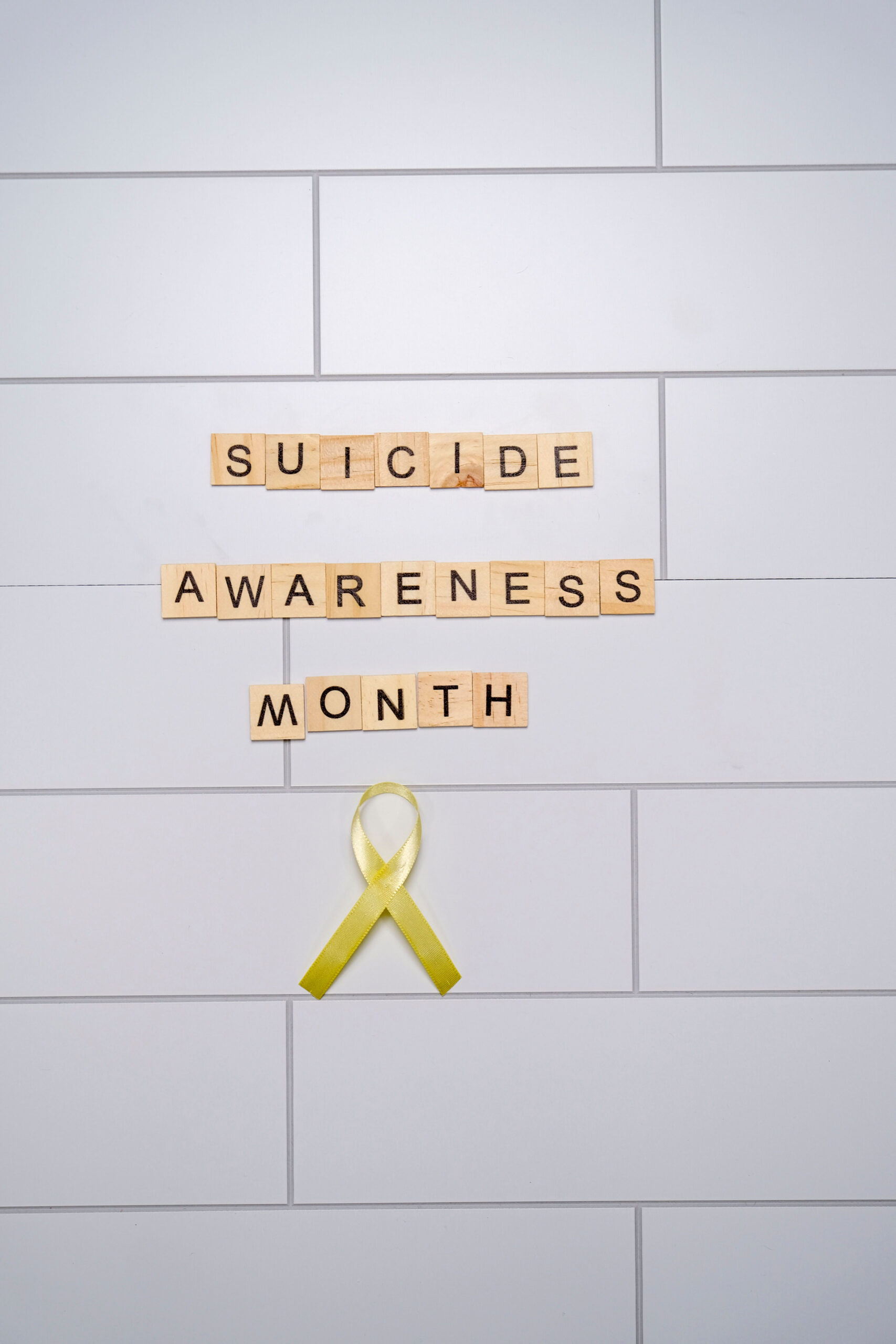
September is National Suicide Awareness Month. Historically, Utah has been among the top 10 highest states nationwide for suicide completion. I imagine this is not what we want for our community and that means we all need to collaborate to be a part of preventing suicide.
There is no single cause of suicide and there’s a lot of different factors that may play a role in a person’s suicide attempt. If you are concerned a person may be contemplating suicide, look for a change in behavior or entirely new behaviors. This is more concerning if the new or changed behavior is related to a loss, change, or difficult event. Here is a list of possible warning signs to look out for:
- Withdrawing socially
- Difficulty sleeping or sleeping too much
- Sudden decrease in school performance and behavior issues
- Drop in work performance
- Changes in hygiene and appearance
- Increased irritability
- Feelings of hopelessness and/or that one is a burden to others
- Talk of death or dying or not wanting to be around anymore
- Researching possible methods for suicide
- Lack of concern for safety
- Unsafe driving
- Increased use of alcohol or drugs
- Acting more impulsively
If you recognize these behaviors in someone you love, here are some ideas of how to respond:
- Be calm and nonjudgmental. Often, fear or anxiety can look a lot like disappointment or anger. This can be misinterpreted by the person you are talking to.
- Be direct and ask the questions. It is important to ask directly, “Do you or have you had thoughts of suicide?” Contrary to popular belief, research has consistently shown that asking if someone is suicidal does not increase suicide risk. Instead, evidence suggests that it may decrease suicide risk.
- Be collaborative. Remember that who you are talking to ‘is not a problem to be solved but a person to be helped’. This is an opportunity to let them know they don’t have to work through this alone and that you can work together.
Resources
National
- Call or text 988
- National Suicide Prevention Lifeline: 1-800-273-8255
- LGTBQ+ Hotline: 1-866-488-7386
- Can also text ‘START’ at 678-678
Local
- Stabilization & Mobile Response: 1-833-723-3326
- For families with children and youth ages 0 to 20 who are experiencing challenges
- Utah Crisis Line: 801-587-3000
- Mobile Crisis Outreach Team (MCOT): call 988 or Utah Crisis Line
- MCOT can be sent to provide free in-person or virtual responses. This service is primarily for Salt Lake County.
- SafeUT: an app for students, veterans, or frontline workers
Mental Health Facilities
- Youth Crisis Care Program: 501 Chipeta Way, Salt Lake City, UT 84108
- 24/7 walk-in mental health support for children and teens (ages 5-17, 18 if they’re still in high school)
- Mental Health Crisis Care Center: for adults experiencing a mental health crisis
- 955 West 3300 South South Salt Lake, UT 84119
- Huntsman Mental Health Institute: inpatient care for people experiencing a mental health crisis
- 501 Chipeta Way, Salt Lake City, UT 84108
Sources:
https://utahsuicideprevention.org/
https://healthcare.utah.edu/healthfeed/2022/09/suicide-prevention-recognizing-red-flags
