
By Alexa Minson
Communication is one of the most powerful tools children and teens have to manage stress, yet it is often the skill they feel least confident using. When young people experience stress, whether from school, friendships, or family dynamics, they may internalize their emotions, leading to increased anxiety, irritability, or withdrawal. Teaching children and adolescents how to communicate effectively gives them a safe outlet to express what they are feeling, which in turn reduces emotional pressure and helps them feel more in control.
When a child or teen is able to put their thoughts and emotions into words, it activates problem-solving areas of the brain and decreases the intensity of stress responses. Instead of holding in frustration or fear, they can share concerns with a trusted adult, peer, or therapist. This process not only provides relief but also invites support, validation, and guidance. Even simple communication skills such as naming emotions, using “I feel” statements, or asking for help can significantly lower stress levels by making overwhelming situations feel more manageable.
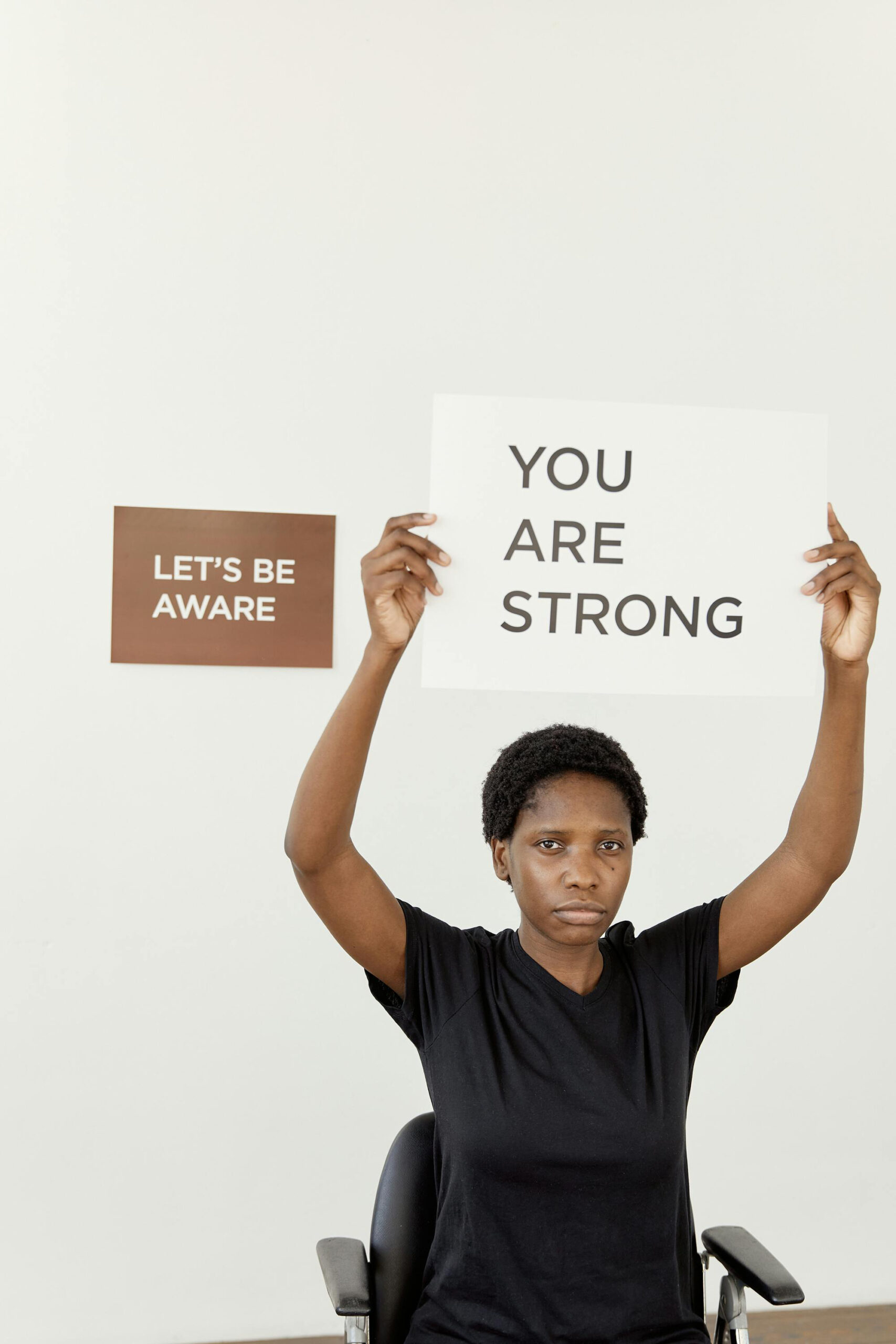
Self-advocacy is a natural extension of communication and plays a critical role in emotional well-being. Self-advocacy means understanding one’s needs, expressing them clearly, and setting appropriate boundaries. For children and teens, learning to self-advocate helps them move from feeling powerless to feeling empowered. Instead of reacting with avoidance, anger, or shutdown, they begin to develop the confidence to speak up in a constructive way.
For example, a teen who feels overwhelmed by schoolwork may experience ongoing stress if they stay silent. However, if they learn to advocate for themselves by approaching a teacher and asking for clarification or support, the situation becomes more manageable. Similarly, a child who feels uncomfortable in a social or family situation can reduce anxiety by expressing their needs, such as asking for space or explaining what is making them upset.
Self-advocacy also helps young people develop a sense of identity and self-respect. When they practice standing up for themselves, they begin to recognize that their thoughts and feelings matter. This builds confidence and resilience, both of which are protective factors against stress. Over time, children and teens who develop these skills are less likely to feel overwhelmed by challenges because they trust their ability to handle difficult situations.
Therapy can play a vital role in strengthening both communication and self-advocacy skills. In a supportive and nonjudgmental environment, children and teens are given the space to explore their thoughts, emotions, and experiences more deeply. Therapy helps them identify stress triggers, understand emotional patterns, and develop healthier ways to cope. Through guided practice, they learn how to express themselves clearly, regulate intense emotions, and approach difficult conversations with greater confidence.
In addition, therapy supports the development of self-confidence and identity. Many children and teens experience stress related to figuring out who they are, where they fit in, and how they are perceived by others. These “identity stress points” can include peer pressure, academic expectations, family roles, or social comparison. A therapist can help young people process these challenges, validate their experiences, and build a stronger sense of self. As they gain clarity about their values, preferences, and boundaries, their confidence naturally increases.
Therapy also provides opportunities to role-play real-life situations, practice assertive communication, and receive constructive feedback. This allows children and teens to build skills in a safe setting before applying them in their everyday lives. Over time, this practice reduces anxiety, increases emotional regulation, and empowers them to advocate for themselves more effectively in school, at home, and in social environments.
Importantly, communication and self-advocacy are skills that require modeling and practice. Adults play a key role by creating environments where young people feel safe to express themselves without fear of judgment or punishment. Encouraging open dialogue, validating emotions, and teaching respectful ways to communicate can make a significant difference. It is also helpful to remind children and teens that self-advocacy does not mean being aggressive or confrontational; rather, it is about being clear, respectful, and honest about their needs. These skills not only relieve immediate stress but also lay the foundation for stronger self-esteem, healthier relationships, and long-term emotional well-being.
